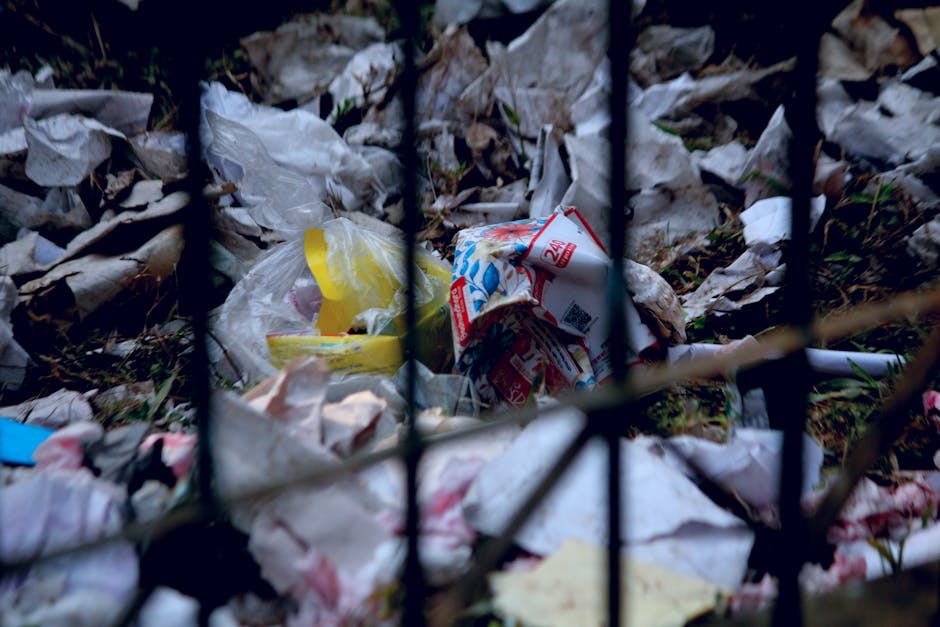
What to know about Southwark council rubbish rules in Dulwich
If you live, manage a property, or are planning a clear-out in Dulwich, Southwark council rubbish rules can feel straightforward one minute and oddly fiddly the next. A bag by the kerb, a bulky item left too early, a skip parked without the right permit - these are the small things that can turn into delays, extra costs, or a miserable knock-on effect for your day.
This guide explains What to know about Southwark council rubbish rules in Dulwich in plain English. You'll find what the rules mean in practice, where the common tripwires are, and how to handle household waste, renovation debris, garden cuttings, and larger clearance jobs without making life harder than it needs to be. To be fair, most people do not need legal jargon - they need to know what they can put out, when they can put it out, and what to do when there is simply too much stuff for the usual bin day.
We'll cover the basics, then move into practical steps, local considerations, and the sensible alternatives people often use when council collections are not the right fit. If you're trying to stay compliant and keep the street looking tidy, you're in the right place.
Table of Contents
- Why these rubbish rules matter in Dulwich
- How the system works in practice
- Key benefits and practical advantages
- Who this is for and when it makes sense
- Step-by-step guidance
- Expert tips for smoother waste handling
- Common mistakes to avoid
- Tools, resources and recommendations
- Law, compliance, standards and best practice
- Options and comparison table
- Case study or real-world example
- Practical checklist
- Conclusion
- Frequently asked questions
Why What to know about Southwark council rubbish rules in Dulwich Matters
Rubbish rules matter because waste is one of those everyday things that can quickly become visible to everyone else. In a place like Dulwich, where streets are often busy, tidy, and closely lived-in, poor rubbish handling is not just inconvenient - it stands out. A missed collection, an overfilled bin, or a pile of bags on the pavement can create smells, attract pests, and annoy neighbours pretty fast.
There's also a practical side. If you misunderstand the rules, you can end up paying more than you planned. That might be a missed opportunity to use the right collection service, a charge for removing waste twice, or the cost of sorting out a permit issue after the fact. And if you're working on a home project, the timing matters even more. Renovation waste, garden clearances, and moving-house clutter all tend to arrive in waves. One day you think you have "a few boxes"; the next day there's a sofa, broken shelves, rubble, and the remains of an ambitious decluttering session that got away from you. Happens all the time.
For landlords, homeowners, tenants, and local businesses, the rules also help keep responsibilities clear. Who stores bins? Who places them outside? Who deals with bulky items? These are not dramatic questions, but they can save arguments later. A simple shared understanding goes a long way.
Practical takeaway: the cleaner and more predictable your waste routine, the less likely you are to face complaints, delays, or unnecessary spend.
How What to know about Southwark council rubbish rules in Dulwich Works
In practice, Southwark council rubbish rules in Dulwich usually revolve around three things: what type of waste you have, how much of it there is, and how it needs to be presented for collection or removal. That sounds obvious, but the details matter.
For everyday household waste, the main concern is usually whether the items belong in standard bins, recycling containers, or need a separate collection route. Food waste, general refuse, cardboard, mixed packaging, garden cuttings, electrical items, and bulky waste each tend to have their own expectations. The right approach depends on the material, not just how annoying it is to deal with.
For larger clearances, the question becomes logistics. Do you need a skip? Would a man and van collection be more suitable? Is a grab lorry better if access is tight or the waste is heavy? If the waste will sit on a public highway, then a skip permit or similar permission may be required. That part is often where people trip up. It's one thing to order a container; it's another to place it somewhere that affects footpaths, parking, or road use.
There is also a difference between legitimate storage for collection and dumping waste early. A bag left neatly beside a bin may still be treated as fly-tipping if it is outside the council's rules. A neighbour may be understanding once; the bin crew may not be. The distinction is simpler than the emotions around it, which is very London, really.
If you are arranging private waste removal, it helps to know the category of the waste before booking. For example, general junk, garden waste, builders' waste, and hazardous materials all need different handling. Services such as rubbish removal, domestic skip hire, and waste recycling services can each be useful in different situations, but the right choice depends on access, volume, and timing.
Key Benefits and Practical Advantages
When you follow rubbish rules properly, the immediate benefit is peace of mind. Your bins go out on time, your waste is handled in the right way, and you avoid the awkwardness of things being left behind. But there are a few more advantages worth spelling out.
- Cleaner streets and fewer neighbour disputes: waste is less likely to sit around attracting attention, odours, or pests.
- Better cost control: you can choose the right collection method first time instead of paying to correct a mistake.
- Less stress around deadlines: if you are moving house or finishing a project, you won't be scrambling at the last minute.
- Safer handling: sharp objects, broken furniture, and heavy debris are less likely to cause injuries if sorted properly.
- More recycling and less landfill: separating materials well usually improves what can be recycled or reused.
There's a smaller but real benefit too: waste routines make your place feel more under control. You notice it on a Monday morning, maybe with the light still pale and the pavement a bit damp - everything just seems easier when the bins, bags, and bulky items are under control. Not glamorous, admittedly, but useful.
If you want to cut waste and organise a larger job more cleanly, booking the right size service matters. A lot of people overbuy because they are worried about running out of space. Others underbuy and then end up with waste left over, which is usually more annoying than it sounds. Pages like skip sizes and prices can help frame that decision before you commit.
Who This Is For and When It Makes Sense
This information is useful for more people than you might think. Dulwich has a mix of terraced homes, flats, family houses, shared properties, small businesses, and renovation projects happening all the time. Different waste needs crop up in each setting.
Homeowners often need this guidance during renovations, garden work, garage clear-outs, or when replacing furniture. One broken wardrobe and a pile of flattened boxes can fill a van before you realise it.
Tenants benefit from knowing what they are responsible for versus what should go into communal bins or be arranged through the landlord. This is especially useful at the end of a tenancy, when time is short and everybody is tired.
Landlords and letting agents need to avoid leaving waste issues for the next occupier. A property can look fine at a glance, then have a hidden bin capacity problem or a pile of clearance leftovers in the yard.
Builders, decorators, and tradespeople need a plan for rubble, plasterboard, timber offcuts, packaging, and mixed construction waste. For larger jobs, builders' waste removal or construction waste disposal can be much more practical than trying to squeeze everything into household systems.
Local businesses also need this advice, especially if they are clearing stock, replacing furniture, or dealing with regular packaging waste. A tidy back area makes a bigger difference than most people expect.
And if you're asking, "Do I really need to think this through for one small job?" - yes, probably. Small jobs are where the rules are easiest to ignore and the consequences are easiest to regret.
Step-by-Step Guidance
Here's a sensible way to deal with rubbish and clearance in Dulwich without overcomplicating it.
- Sort the waste by type.
Start by separating general household rubbish, recycling, garden waste, furniture, electrical items, and construction debris. Don't mix everything together and hope for the best. That approach is, frankly, a bit of a mess. - Estimate how much there is.
Think in practical terms: a few bags, one bulky item, a roomful of clutter, or a full clearance? Volume affects the collection method you choose. - Check whether the items are restricted.
Some waste needs special handling, especially anything potentially hazardous, electrical, sharp, heavy, or contaminated. If in doubt, treat it cautiously. - Decide on the collection route.
Use standard council collection routes for regular waste where appropriate. For larger or less typical loads, consider private removal, a skip, or a grab lorry service. - Think about access.
Is there room for a skip? Can a vehicle reach the property easily? Are there parking or pavement issues? This is often the point that changes the whole plan. - Check whether permissions are needed.
If anything will sit on a public road or affect access, make sure permit rules are understood before booking. It is much easier to sort this at the start. - Book the service and prepare the waste.
Bag lighter materials, stack items safely, and keep hazardous or awkward materials separate if they require special disposal. - Leave the site tidy.
A quick sweep, a final check for loose debris, and a glance around the garden or driveway can save problems later.
For people handling mixed household clutter, a service like house clearance can be a practical option. For garden-heavy jobs, garden waste removal often makes more sense than trying to guess how many bags the normal bin can tolerate. Again, no heroics needed. Just the right tool for the job.
Expert Tips for Better Results
Over time, one thing becomes obvious: the people who avoid waste headaches are usually the people who plan a little earlier than they think they need to. Not dramatically earlier. Just enough.
Use a "sort before you stack" habit. If you stack everything in one place first, mixed waste gets tangled, and sorting becomes slower and messier. A few minutes of separation now can save half an hour later.
Be realistic about heavy materials. Rubble, soil, wet garden cuttings, and broken furniture all behave differently when loaded. What looks like a small pile may be much heavier than expected. You notice this the moment you try to move it by hand - the sort of moment that makes you mutter under your breath.
Keep recyclable materials clean where possible. Cardboard, packaging, and metal items are easier to process when they are not soaked, greasy, or stuffed with random junk. If you are doing a bigger clear-out, small habits matter.
Match the service to the access. Tight street? Shared driveway? No off-road parking? These details affect whether a skip, wait-and-load, or man and van service is the smoother option. For awkward locations, wait and load skip hire can be a smart compromise.
Don't leave disposal to the last minute. Items accumulate. Then suddenly there is a deadline, a builder waiting, a new sofa arriving, or family visiting at the worst possible time. Funny how that happens.
And one more thing: if something feels borderline, check it before you put it out. A two-minute question can save a much bigger problem later.
Common Mistakes to Avoid
Most rubbish issues in Dulwich are not caused by dramatic wrongdoing. They come from small, ordinary mistakes that snowball.
- Putting waste out too early: this can create clutter, block pavements, and breach local collection expectations.
- Mixing hazardous and general waste: anything risky needs proper handling, not a guess-and-hope approach.
- Underestimating weight: builders' rubble, soil, and wet garden waste are heavier than they look.
- Choosing the wrong service: a domestic clear-out, construction job, and office move all have different needs.
- Ignoring access issues: if a vehicle cannot reach the property, the whole plan may need changing.
- Forgetting permit requirements: if a container affects the road or pavement, permissions may be necessary.
- Leaving items in communal areas: shared bins and shared hallways are not a storage solution.
A lot of people also assume that "it's only temporary" makes a placement okay. Sometimes it does not. Temporary clutter has a habit of becoming permanent if nobody takes ownership of it. We have all seen that one corner of a yard, haven't we?
Tools, Resources and Recommendations
Even without diving into formal legal texts, there are a few useful resources and planning tools that make waste jobs easier.
Waste type list: Write out what you have before you book anything. It sounds basic, but it helps you avoid mismatched services.
Volume estimate: Count bags, boxes, furniture items, and loose material. If you can, take a quick photo set from a few angles. That makes quoting easier and reduces guesswork.
Access notes: Measure gate width, driveway length, and any overhead obstructions. A service provider can then advise whether a skip, grab lorry, or removal team is more suitable.
Sorting area: Set aside one dry, accessible spot for recyclable items and another for general waste. It keeps the job calm instead of chaotic.
Specialist services: For certain jobs, the right support matters more than the cheapest option. For example, enclosed and lockable skip hire can help where security or weather protection matters, while grab hire services are often useful when heavy material or loose waste needs fast loading.
If you are comparing service types, it also helps to think about inconvenience. Which option takes the least time from your week? Which leaves the site tidiest? Which is easiest to coordinate if you're juggling work, school runs, or builders turning up at 8 a.m. sharp? Those questions are sometimes more useful than the headline price alone.
Law, Compliance, Standards and Best Practice
This topic touches on compliance, but the key point is simple: waste should be stored, moved, and disposed of in a way that does not create a nuisance, hazard, or breach local rules. If you are responsible for the property or the waste, you are also responsible for handling it properly.
Best practice in the UK generally means keeping waste separated where possible, ensuring hazardous items are treated with extra care, and using appropriate carriers or facilities for disposal. If a container or pile of waste is placed on a public road, relevant permissions may apply. If the waste includes items like fridges, paints, solvents, chemicals, or contaminated materials, it should be treated more cautiously than ordinary household refuse.
For householders, the compliance question is often about presentation and timing. For trades and commercial users, it becomes a wider duty of care issue: waste should go to the right place, be described accurately, and not be abandoned or mishandled. In plain English, if you create the waste, you should make sure it is handled properly.
There is also a simple best-practice standard worth following: do not rely on memory alone. Check the waste type, confirm the collection method, and make sure the site conditions still fit the plan on the day. Weather, access, and project scope can all change faster than you expect.
Options, Methods, or Comparison Table
Different waste problems need different solutions. This table gives a practical comparison of common options for Dulwich residents and local businesses.
| Option | Best for | Pros | Things to watch |
|---|---|---|---|
| Standard council collection | Everyday household waste and routine disposal | Simple and familiar | Limited flexibility for bulky or unusual items |
| Skip hire | Renovations, bulky clear-outs, mixed waste | Convenient for larger volumes | May need a permit if on public land |
| Wait and load | Sites with tight access or no room for a skip | Quick and tidy | Requires you to load promptly |
| Man and van | Mixed clutter, furniture, ad hoc removal | Flexible and often easier for odd items | Less ideal for heavy rubble |
| Grab hire | Heavy, loose, or bulky loads with access issues | Fast for substantial waste | Needs space for the vehicle and pile access |
If you are trying to decide quickly, think about the waste type first, then the access, then the timing. That order avoids a lot of confusion. For example, if your waste is mostly garden material and old fencing, garden waste removal may be more efficient than ordering a general solution and hoping it fits. If the load is mainly building debris, you may prefer builders' skip hire or construction waste clearance.
Case Study or Real-World Example
A typical Dulwich scenario goes like this. A family is redecorating a front room and clearing the loft at the same time. At first, they expect "a few bags and maybe one old armchair." By day two, there are broken shelves, boxes of books, a mattress, leftover packaging, and a pile of mixed clutter that keeps growing near the hallway. The hallway is not exactly a storage unit, so the pressure is on.
They start by separating what can be recycled, what needs general disposal, and what is too bulky to leave for standard bins. They realise the loft items will not fit into a normal weekly collection, and the mattress needs separate handling. Rather than leave things on the pavement and hope for the best, they book a removal option that can take mixed household waste in one go.
The difference is immediate. The rooms clear faster, the builders can work without stepping around clutter, and the family avoids the classic "we'll sort that later" pile that somehow lives in the corner for three weeks. In a small property, especially, a good waste plan often buys back actual living space. That's the bit people value most once the dust settles.
For a renovation or mixed-load job, the biggest lesson is simple: sort early, choose the right disposal route, and do not assume household bins will absorb a project's leftovers. They usually won't.
Practical Checklist
Use this checklist before you put waste out or book a collection:
- Have I identified the waste type correctly?
- Is anything hazardous, sharp, or restricted?
- Do I know the approximate volume and weight?
- Will the waste fit into a standard bin or recycling route?
- Do I need a skip, wait-and-load, grab hire, or man and van service?
- Will the item or container sit on public land?
- Do I need a permit or permission?
- Is access clear for collection?
- Have I separated recyclable materials where possible?
- Have I checked collection timing so items are not left out too early?
- Have I planned for bulky items like sofas, mattresses, fridges, or rubble?
- Is the site safe, tidy, and free from trip hazards?
If you can tick most of those boxes, you are probably in good shape. If a few are still uncertain, that is your sign to slow down and check before you book. Better a short pause than a messy fix-up later.
Conclusion
What to know about Southwark council rubbish rules in Dulwich comes down to this: know your waste, plan the route, and avoid treating every rubbish problem like a normal bin-day issue. Some jobs are simple. Others need a bit more thought, especially if you are dealing with bulky items, heavy material, shared access, or anything that might need permission.
Once you understand the basics, the whole process gets much easier. You make fewer mistakes, keep the property tidier, and avoid the stress that comes from last-minute sorting. That is really the win here - not perfect waste management, just a calmer, cleaner, more predictable way to handle it all.
If you are comparing services, checking access, or trying to work out the simplest way to clear waste in Dulwich, take a minute to match the job to the right method before you book. It saves time, money, and a lot of faff.
Get a free quote today and see how much you can save.
And if you do get the rubbish sorted earlier than expected, that quiet, empty-space feeling is oddly satisfying. A small thing, maybe. But a good one.
Frequently Asked Questions
What are the basic rubbish rules I should know in Dulwich?
The main basics are to separate waste correctly, put it out at the right time, and use the proper route for bulky or unusual items. Household rubbish, recycling, garden waste, and larger clearances all need slightly different handling.
Can I leave extra bags beside my bin if it is full?
Usually you should not assume that extra bags will be collected just because they are placed neatly beside the bin. Extra waste may need a separate collection or another disposal route, depending on the circumstances.
Do I need a permit for a skip in Dulwich?
If a skip is placed on public land or affects the road, pavement, or parking space, a permit may be needed. If it stays entirely on private property, the rules can be different. Check before booking so you do not end up juggling paperwork later.
What is the best option for bulky items like sofas or mattresses?
Bulky items are often better handled through a specialist removal service rather than standard household bins. Sofas, mattresses, and similar items can be awkward, and they often need separate handling or collection planning.
How do I deal with garden waste after a big tidy-up?
Garden cuttings, branches, soil, and old fencing can build up quickly after a weekend job. A dedicated garden waste service is often more practical than trying to spread the load across general bins.
What should I do with building debris and rubble?
Building debris is usually best treated as construction waste rather than ordinary household rubbish. Rubble, plaster, timber offcuts, and mixed site waste can be heavy and may need a specific collection method.
Is it better to hire a skip or use rubbish removal?
It depends on the job. Skips are useful for larger ongoing projects, while rubbish removal can be better for mixed loads, awkward access, or one-off clearances. If space is tight, the choice can become very clear very quickly.
Can I put electrical items out with normal rubbish?
Electrical items often need separate handling. Small appliances, fridges, TVs, and similar items are better checked first rather than being treated like general waste. That avoids problems and supports proper recycling.
What happens if I leave rubbish out too early?
Leaving waste out too early can cause obstruction, attract complaints, and sometimes lead to the waste not being collected. The safer approach is to follow the expected timing and only present items when they are ready to be taken.
How do I know whether my waste is hazardous?
If waste includes chemicals, solvents, paint, oils, certain batteries, contaminated materials, or anything sharp or potentially harmful, treat it cautiously. If you are unsure, do not mix it in with normal rubbish until you have checked the right route.
What is the most common mistake people make with rubbish rules?
The most common mistake is underestimating how much waste there actually is. What starts as a simple tidy-up often becomes a full clearance, and the original plan no longer fits. A little planning at the start helps a lot.
Can a small business in Dulwich use the same waste approach as a home?
Sometimes, but not always. Businesses often generate different types and volumes of waste, and they may need a more regular or more structured collection approach. It is worth matching the method to the actual waste stream instead of guessing.