Skip Hire in Dulwich
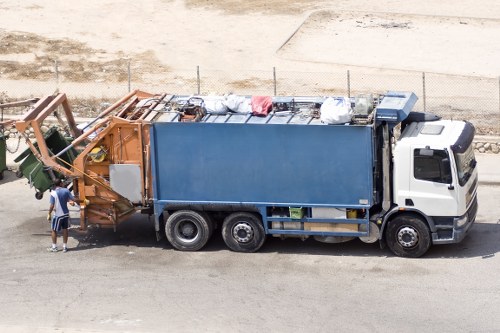
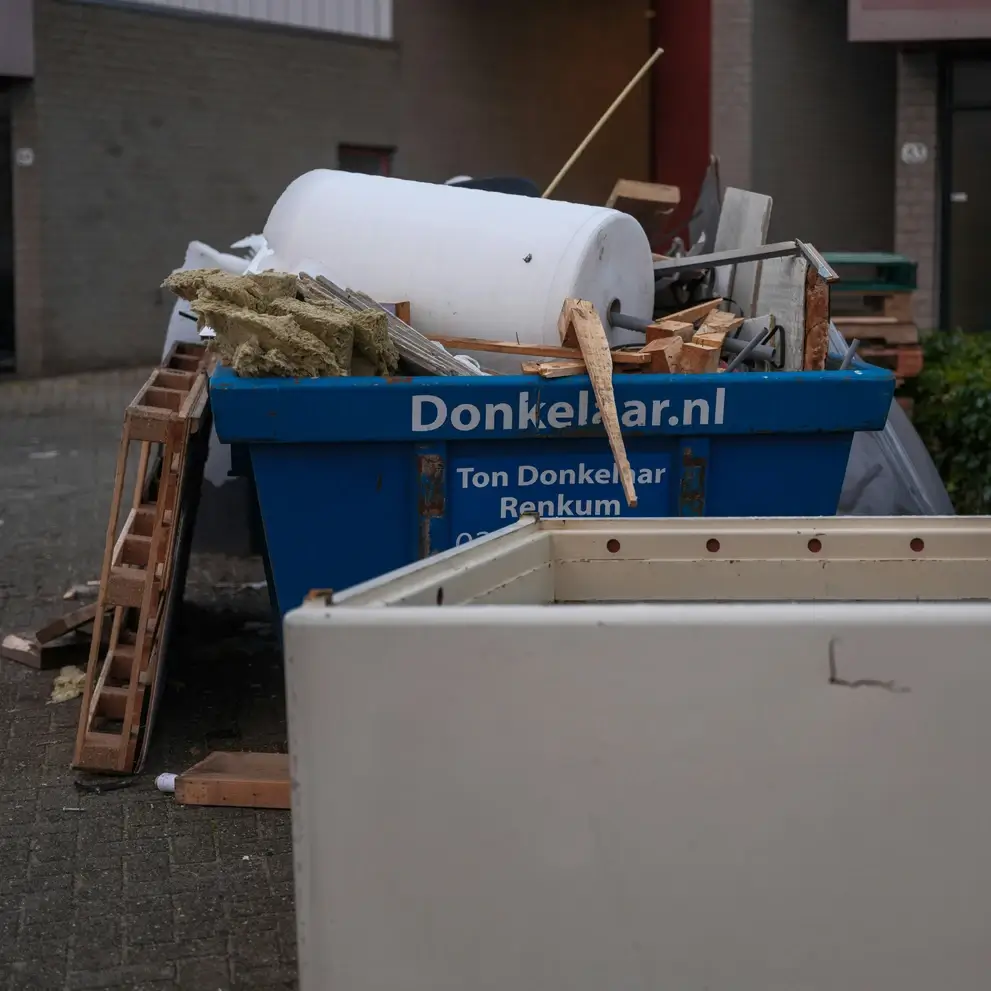
Skip hire in Dulwich is a straightforward way to deal with waste from home clear-outs, DIY work, landscaping and light building projects when you need a single, practical container on site. We provide skip sizes suited to different amounts of mixed waste, with clear guidance on what can be loaded and how to make the most of the space you order. The aim is to keep disposal organised, predictable and suitable for the material you need to remove.
Our service is built around simple waste removal planning, so you can choose a skip that matches the job rather than over-ordering or under-ordering. If you are clearing a garage, replacing kitchen units or dealing with garden waste, a skip gives you one place to keep everything together while the work progresses. Skip sizes and prices can help you understand the different options before you request a quotation.
If you already know the kind of waste you have, you can use our service pages to compare the right approach and then ask for a quote in plain terms. For a wider look at collection methods and load types, domestic skip hire explains the home-focused option, while our main skip service covers general mixed waste from domestic and trade work. Get in touch when you are ready for a quotation.
Choosing the right skip for the job
Different projects create different waste streams, and the best result usually comes from matching the container to the task. Small clear-outs and minor refits often suit compact options, while heavier refurbishment waste may need a larger size or a different arrangement altogether. The main decision is not just volume; it is also whether the material is loose, heavy, bulky or likely to include awkward pieces that should be loaded carefully.
For customers comparing approaches, our service information covers practical uses such as builders waste removal and builders skip hire, which are useful when the waste is mainly from renovation or construction activity. If your work is more about keeping a site clear than leaving a skip in place for several days, other collection methods may be more suitable. We can help you think through that choice before you request a quotation.
What the waste may include
Most standard skip loads contain a mix of materials such as timber, metal, packaging, soil, tiles, plasterboard and general renovation debris, subject to the rules for each load type. The important part is knowing what should not be mixed in, because some items need separate handling. If your project generates specific waste categories, it is worth checking the relevant guidance before loading begins so the container is used correctly and collections stay straightforward.
Household clear-outs and domestic projects
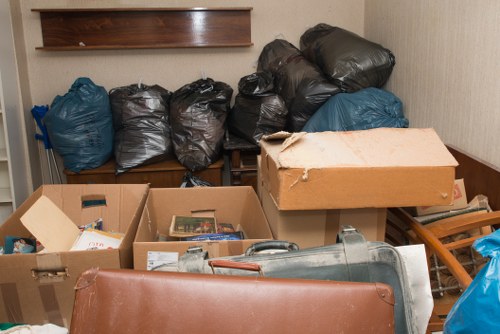
Domestic jobs are often the reason people arrange a skip in Dulwich. A loft tidy-up, garden overhaul, kitchen replacement or room-by-room declutter can produce more waste than expected, especially when old fittings and broken items are involved. A skip gives you a fixed place to put things as you work, which can be easier than piling material in bags and making repeated trips to a disposal point.
For mixed household waste, our linked pages on house clearance and garage and loft clearance can help you compare whether a container or a collection-based service is more suitable. The right choice depends on how much waste you have, whether items are bulky, and whether you want to load at your own pace or have it all removed in one organised visit. If you are unsure, ask for a quotation and explain the type of waste involved.
When planning domestic skip hire, it helps to think about access, where the container can sit and how long the waste may take to accumulate. Clear access and sensible placement matter because they make loading easier and collection simpler. If the load is mostly garden material, there are also dedicated waste pages that may suit the job better, especially where green waste forms the main part of the contents.
Garden, soil and outdoor waste
Garden work produces a different kind of waste from household clear-outs, and it is often dense, muddy or awkwardly shaped. Branches, hedge cuttings, turf, soil and broken outdoor fittings all take up space in different ways, so a careful choice of skip size can prevent overfilling. If the work includes landscaping or a larger redesign, you may need to think about how quickly the material will build up during the project.
For outdoor waste, garden waste removal is a useful reference point if you want to separate green waste from mixed rubbish. In some cases, a skip is ideal; in others, a more targeted collection can be better if the material is mostly cuttings or soil. We also offer muck away services for projects where heavier spoil and excavation waste need to be moved rather than stored on site.
When dealing with outdoor clearances, it is worth keeping the load as consistent as possible. A skip that contains only suitable garden or landscaping waste is easier to manage than one mixed with items that need separate disposal. Good sorting at the start can save time later and reduce confusion when the container is collected. If you need help deciding between mixed waste and specialist disposal, we can talk you through the options before you book.
Building, demolition and site waste

Construction and demolition projects create some of the heaviest and most varied waste streams, from broken masonry and timber to old fixtures, packaging and stripped-out fittings. Skip hire can be useful for these jobs because it keeps the site tidier and gives trades and householders one place to place debris as work moves on. The right arrangement depends on the amount of waste, the pace of the project and whether the site needs frequent clearing or a longer period of use.
For larger work, our pages on construction waste disposal, construction waste clearance and demolition waste removal set out related service types that may suit different stages of a project. Where the job is not best served by a stationary skip, grab hire services can offer another route for moving bulk material from a site. The most suitable choice depends on access, waste type and how the work is being carried out.
Working around access and loading
On busy or narrow streets, access can shape the choice as much as waste volume does. It may be necessary to think about loading height, the available space for delivery and collection, and whether the waste can be stacked safely without going over the fill line. For some projects, a skip is the right solution; for others, a wait-and-load arrangement or a vehicle-based collection can be more practical. Our wait and load skip hire page explains one of those alternatives.
Commercial waste and business clearances
Businesses in Dulwich may need skip hire for refits, store changes, office reductions, stockroom clear-outs or general waste from maintenance work. Commercial waste tends to be more varied than people expect, and some jobs create large amounts of packaging, shelving, old fixtures and non-hazardous rubbish in a short period of time. A planned container hire can help keep that waste in one place and support a calmer, more orderly workflow.
Where premises need clearing rather than a skip simply being left on site, our pages for commercial skip hire and office clearance describe related options that may suit business settings. If the project involves a retail or work unit, the best choice may depend on trading hours, the amount of space available and how easily waste can be moved from inside to outside. Speak to us if you want a quotation that reflects the shape of your project.
Commercial loads should be planned with care because the waste may include mixed fixtures, fixtures, packaging or old equipment that cannot simply be thrown together without checking the rules. If you need a more controlled solution, orderly sorting and sensible separation of materials can make a substantial difference to how smoothly the job runs. That is especially useful where the clearance is being done alongside ongoing activity on the premises.
Specialist waste types and restricted items
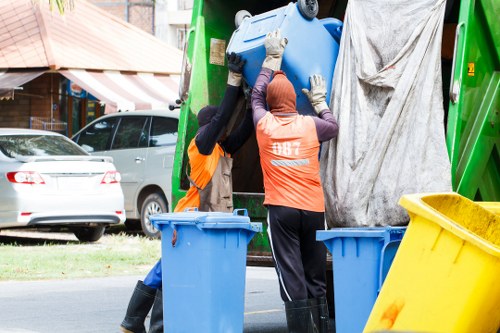
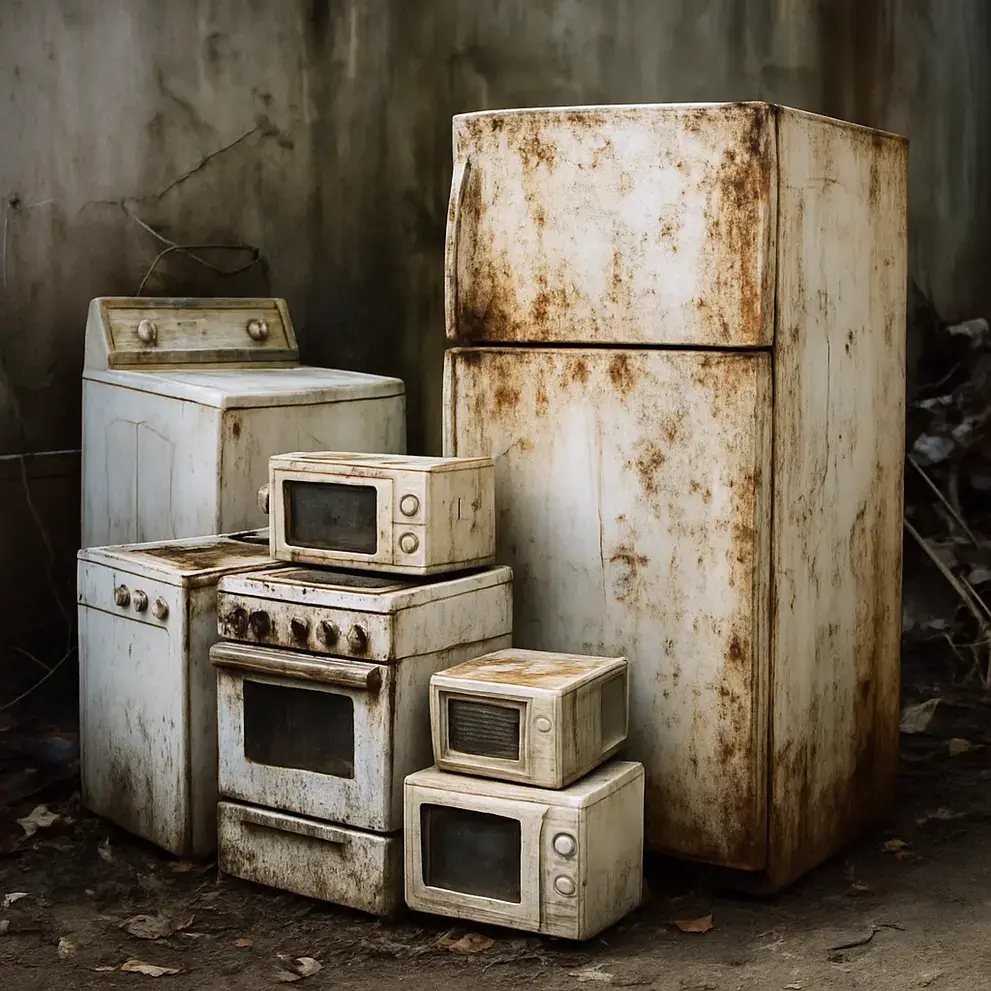
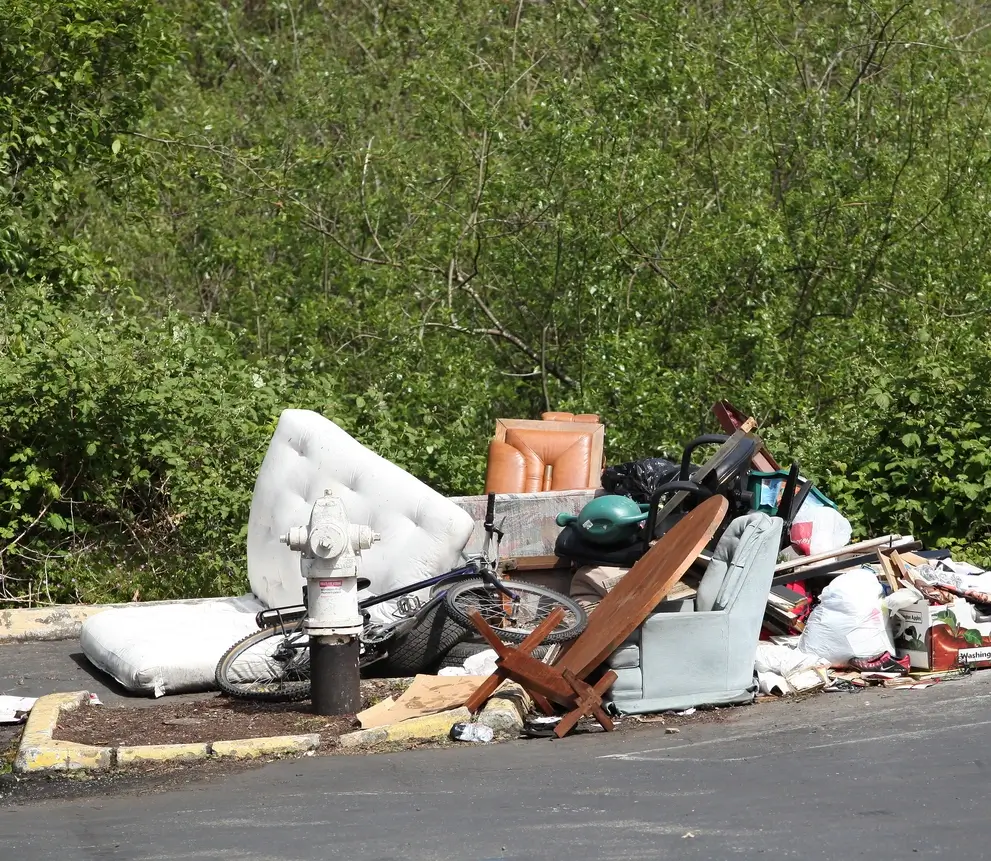
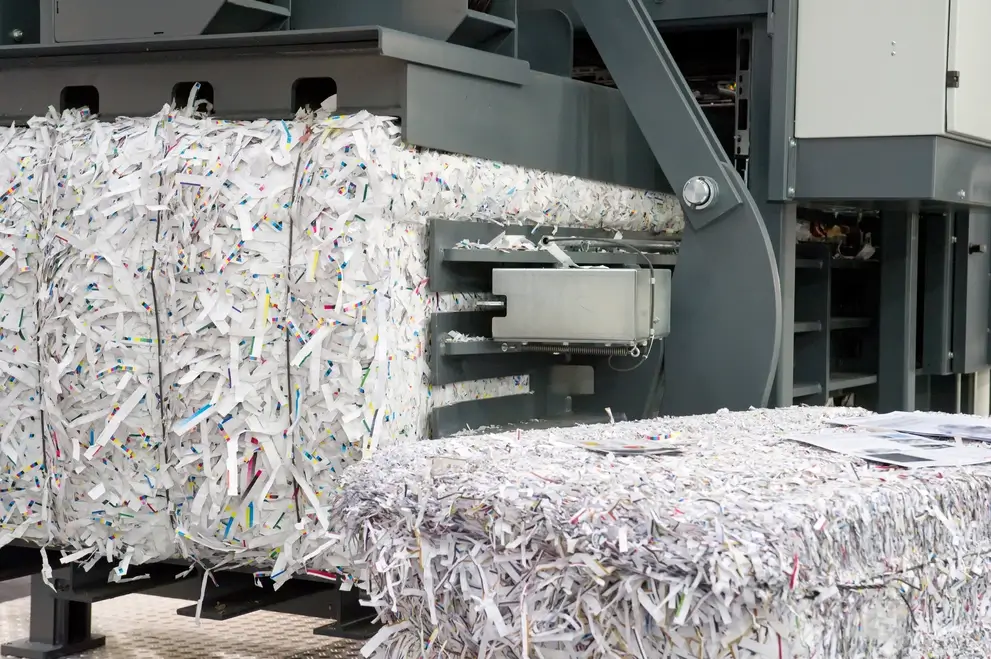
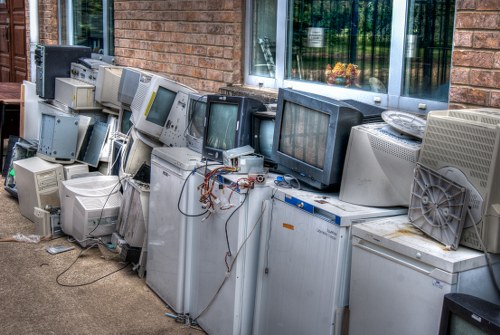
Not every load is suitable for a standard mixed skip, and specialist waste needs careful handling. Items such as fridges, appliances, mattresses, sofas, confidential paperwork or hazardous material can require dedicated arrangements rather than general disposal. If your project includes anything outside ordinary renovation or household waste, it is better to identify it early so the right service can be chosen and the load is prepared correctly.
Our service pages include more specific guidance for fridge and appliance removal, mattress and sofa disposal and confidential shredding. Where materials are potentially harmful or regulated, hazardous waste disposal is the more appropriate route. These pages are useful when the waste does not belong in a standard skip load and needs a different method of handling.
One of the most important practical steps is to separate restricted items before loading starts, rather than trying to work it out after the container is full. That keeps the waste stream clearer and avoids delays later. If you are not certain whether an item qualifies as normal mixed waste, check the service guidance or ask for advice before arranging collection. A brief list of the contents is usually enough to begin the conversation.
Permits, access and collection timing
Where a skip needs to be placed on public highway land, a permit may be required, and that can affect how quickly the arrangement is set up. Even where a permit is not needed, access to the property still matters because the vehicle needs room to deliver and later collect the container. Thinking ahead about driveway space, road width and loading distance makes the process easier for everyone involved.
For more detail, skip permits explains the basics, while skip hire permits is another useful page if you are weighing up the same issue from a different angle. If the location is awkward or parking is limited, same-day skip hire may be relevant as a service description, although the best option still depends on feasibility and the kind of waste you have. We can discuss the practicalities when you ask for a quotation.
Two details are especially helpful when preparing an enquiry: the kind of waste you have and the likely access arrangements at the property. If you can describe both clearly, it is easier to recommend a suitable service and container size. Good information at the start usually leads to a simpler booking conversation, and it helps set expectations about what can be placed where. Please ask for a quotation when you are ready to compare the options.
How our skip hire service is used
Skip hire is often chosen because it gives customers a defined place to put waste without needing to move it off site straight away. That makes it practical for jobs that produce waste over several days, or where the material is generated in stages. Whether you are clearing one room or managing a longer project, the service can be aligned to the amount and type of rubbish rather than forcing you into a one-size-fits-all approach.
Our related pages for rubbish removal, man and van and site clearance cover alternative ways of removing waste if a skip is not the best fit. Those options may suit customers who need more immediate lifting assistance or who prefer waste to be removed in one visit instead of stored on site. Compare the choices and then request a quotation based on the route that suits your project.
We also support customers who want to understand disposal and recovery a little better before they book. waste recycling services and recycling and sustainability are useful pages if you want to see how waste may be separated, processed or diverted where possible. The focus here is on practical, responsible removal that keeps the job moving.
About Dulwich
Dulwich is an area in South London with a long-established village character set within the modern city. It is commonly associated with Dulwich Village, East Dulwich and West Dulwich, each with its own feel while sharing a wider local identity shaped by parks, schools, residential streets and historic institutions. The name itself appears in records from the medieval period, and the area later became known for its estates and planned development rather than intensive industry. That history still shows in the mix of streets and public spaces seen today.
One of the best-known features of the area is Dulwich Picture Gallery, founded in the early nineteenth century and notable as the first purpose-built public art gallery in England. Nearby, Dulwich Park provides open space with tree-lined paths, a lake and a generally formal layout that reflects the landscape traditions of the area. The wider district also includes well-known school grounds, local parades of shops and residential roads that range from older terraces to later housing. This combination gives Dulwich a layered urban character rather than a single uniform appearance. About us
Requesting a quotation
If you are arranging skip hire in Dulwich, the simplest way to begin is to think about what needs removing, how quickly the waste will build up and where the container can be placed. That information helps narrow down the right service type and prevents unnecessary back-and-forth. You do not need to over-prepare; a clear description of the project is usually enough to start a useful quotation conversation.
When you are ready, use the relevant service pages above to compare the options that suit your waste type, then contact us with a brief outline of the job. If you are looking for pricing detail first, pricing and quotes is the most direct place to start. We will help you move from planning to booking in a way that fits the waste, the access and the timing of your project.
For a final step, contact us with the basics of your project and ask for a quotation. A short description is enough to begin, and we can then guide you towards the most suitable skip hire option for the work in Dulwich.